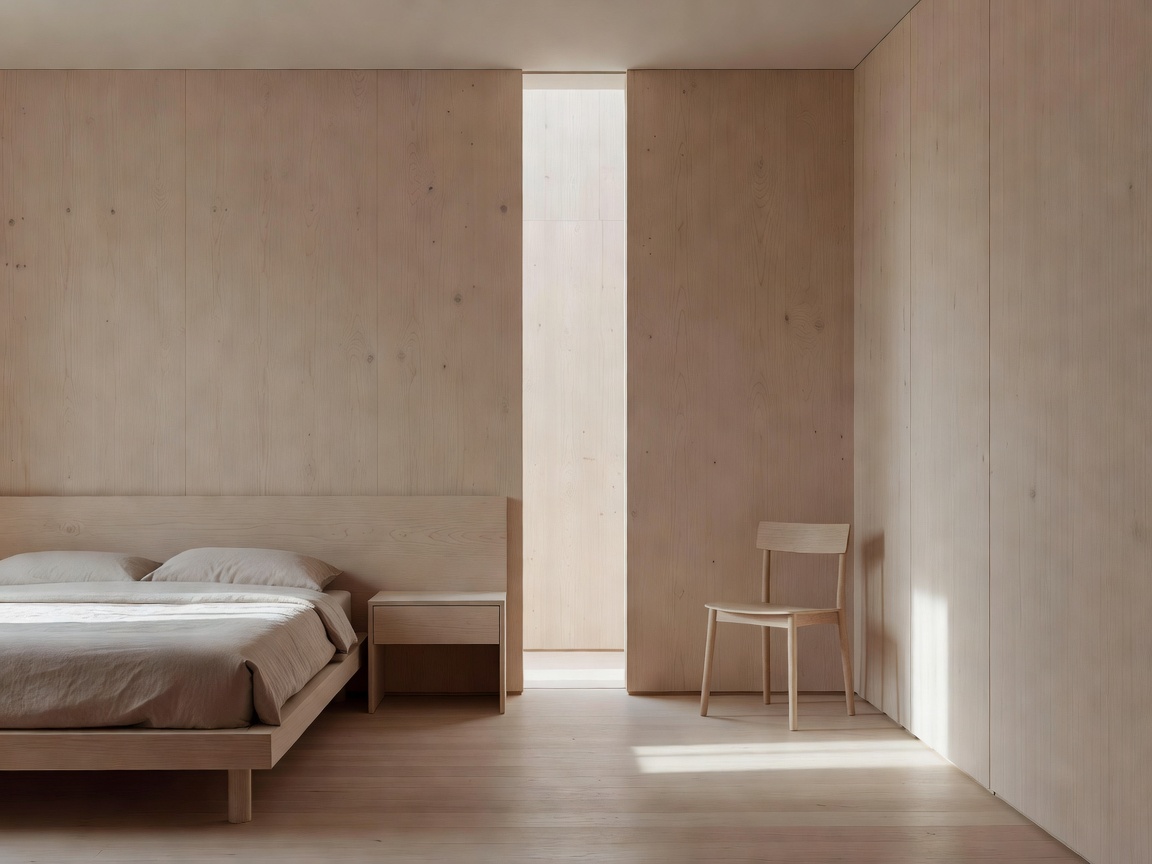
Scandinavian hotel design is not a fixed look. It is a way to coordinate form, use and material. A pale room alone does not make a considered interior. The stronger test is whether every decision supports comfort, maintenance and the movement of people through the building.
Design principles that work together
Simplicity is a matter of editing. It removes visual noise without removing useful things. A room still needs a place for luggage, a comfortable chair, bedside lighting, charging access and a clear route to the bathroom. When those needs are planned early, the result can feel quiet without becoming sparse.
Functional layouts link private rooms with corridors, lounges and service areas. Doors should not collide with furniture. The route from entrance to bed should be legible. Storage should sit where it is used. Housekeeping needs access to surfaces and equipment. These practical choices form part of the design, even when they are not obvious in a photograph.
Proportion, furniture and circulation
Scale affects the experience of a room. A broad bed in a narrow plan can leave little space to move. A deep sofa may block a window or reduce the useful floor area. Look at the relationship between furniture, wall openings and clear walking routes. A useful plan balances generous space with an efficient footprint.
Furniture should suit its task. A desk needs working light and a reachable outlet. A lounge chair needs a suitable seat depth and a surface nearby. Bedside tables should be usable from both sides where the room layout allows. Integrated furniture can improve storage and circulation, but fixed pieces can limit flexibility. Freestanding pieces are easier to replace, yet they can drift or create awkward gaps.
Natural light, colour and texture
Daylight changes through the day and across seasons. Window position, glazing, curtains and shading determine how a room handles glare and privacy. A strong scheme supports both bright working conditions and a darker evening setting. Artificial light should be layered: general illumination, reading light and low-level orientation light solve different problems.
Colour can come from the building and its materials rather than from a large decorative gesture. Pale birch, muted stone, wool and linen can establish a restrained base. Darker timber, green-grey paint or metal details add definition. Texture prevents a limited palette from feeling flat. Use contrast through surface, grain and weave as well as colour.
Material restraint and the guest experience
Material restraint means choosing a clear family of finishes and using it consistently. It does not mean using only one material. Timber can bring warmth to a room, while stone protects wet areas and metal provides a durable edge. The junction between materials deserves attention. Poorly resolved trims, exposed fixings or abrupt floor changes can interrupt an otherwise calm interior.
Hospitality brings specific pressures. Surfaces face repeated cleaning. Upholstery sees frequent contact. Handles and switches need to remain intuitive. A design may look delicate but still require a sensible maintenance plan. Ask whether replaceable parts are available, whether finishes can be repaired and whether high-wear areas use robust details.
How to assess a design-focused room
Start with the plan, not a colour scheme. Look for direct routes, useful storage and more than one way to light the space. Check whether the bathroom is separated in a way that suits the intended use. Examine privacy at the window and sound transfer between the room, corridor and neighbouring spaces. Consider whether a small room feels efficient or simply crowded.
Compare public areas with private rooms. A hotel may use one visual language throughout, or give the lobby a more social character and the bedroom a quieter one. Neither approach is automatically better. The important point is continuity: materials and lighting should feel related, while each space still serves its role.
Good for
This guide suits readers comparing hotel rooms, interior designers looking for hospitality references and operators reviewing layout priorities. Use it when images show a beautiful space but leave basic questions about comfort and function unanswered.
What to know
Style labels are broad. “Nordic” can describe many different approaches and does not guarantee a particular material, service or facility. Confirm room details directly with the property before making travel decisions. This independent guide does not verify specific hotels, availability or facilities.
For related reading, continue with Hotel Interiors & Materials or consider the wider criteria in Design-Led Hotel Stays. For editorial questions, contact the team.